Insights
IT Partnerships Redefined: Why Value Drives Competitive Advantage
Change is constant.
Your customer expectations are evolving. New leaders bring new priorities. Old systems barely hold together. maintain. Teams want better tools. Security keeps getting harder. Budgets get tighter every year. And now there’s AI, and everyone’s asking where it fits.
For many clients, the challenge is knowing what to change first, how to move forward without disrupting the business, and making sure investments solve real problems. What does your business need to do better?
Some IT partners show up with a predetermined solution in their back pocket. We’d rather figure out the problem with you first and define the solution together. That’s the difference, and it’s the real competitive advantage.
Who’s Thinking About Tomorrow While You’re Solving Today’s Problems?
Your internal teams know their business operations best. But they are often stretched thin, fixing what’s broken, answering requests, and keeping the lights on. When a department needs something new, they find a way.
We’re seeing IT team stop being the only ones asking for better tools. Business owners in corporate functional teams such as Customer Success, Engineering, Finance, Human Resources, Legal, Marketing, Operations, and more expect better tools to support their teams and deliver to customers.
A good IT partner brings experience and a fresh perspective in AI, cloud, data, business process management, robotics or digital engineering. Because we are not caught up in the day-to-day pressures of your business, we spot connections, dependencies, and obstacles that internal teams may miss.
We’re not here to tell you what to do. We’re here to give you an outside-in approach on solving problems and help you see the path forward more clearly.
Our First Step Is To Listen
We begin with a conversation.
- What is causing the friction?
- What are your competitors doing?
- What’s changed in your business right now?
- Why do customers expect more from you today?
- What changes are your employees pushing for?
- What have you already been tried, and why they didn’t it stick?
- What would meaningful improvement look like?
Often those conversations lead to a technology project. On other occasions, they show employees want to be involved in pilots and experiments before removing workflow friction.
Timing matters. Sometimes the constraint is competing priorities. A strong partner is comfortable with both outcomes.
Managing changes with clients means building trust. Listen first. Share what’s worked elsewhere and help their stakeholders think through options without rushing decisions.
Trust isn’t a buzzword. It’s the foundation for clarity and the core building block to bring our clients’ vision to life. Our clients rely on our expertise to implement change quickly and deliver value on their terms.
Ajay Dixit, President, Life Sciences, Healthcare and Digital Experiences
What Managing Change Alongside A Client Looks Like
Once you decide to move forward, our partnership becomes more tangible. Change rarely follows a perfectly straight path, so the relationship needs to be built around how you work.
We see four core areas that make relationship tangible:
Personalization. No two businesses start in the same place. We turn broad goals into clear actionable steps based on your specific situation. We’ll figure out what needs to happen first, identify dependencies, and how the plan may need to adjust as your business needs change.
Strong partnership. Successful change management requires more than knowing the technical requirements. We ask about your project, the people involved, and what success looks like for you and your team. This context keeps decisions tied to your goals.
Flexibility. Priorities shift. Timelines move. New requirements emerge. We adapt, adjust the scope, change the timeline or build a delivery around your business needs.
Open dialogue. The conversation does not stop once the project begins. New people join. Business priorities evolve and unexpected challenges surface. Keeping the conversation going helps teams solve issues early and keeps context clear.
Together, these four areas create more than a project delivery model. It’s how we work as an extension of your team, anticipating what’s next instead of reacting to what’s now.
We are system thinkers. Successful client management means understanding the entire environment around the business problem. This lets us drive effective client discussions and focus on the outcomes that matter most.
Eduardo Mecking, Head of Americas Microsoft Alliance
Why Our Clients Keep Coming Back
I don’t think of Beyondsoft as a vendor. I think of Beyondsoft as a strategic partner or an ally who can work with me to conquer the challenges, realize my IT vision, and solve business problems. I like the fact that they are evolving their skills to meet market demands.
Luis Coimbra, Founder & CEO, DStrategy LLC
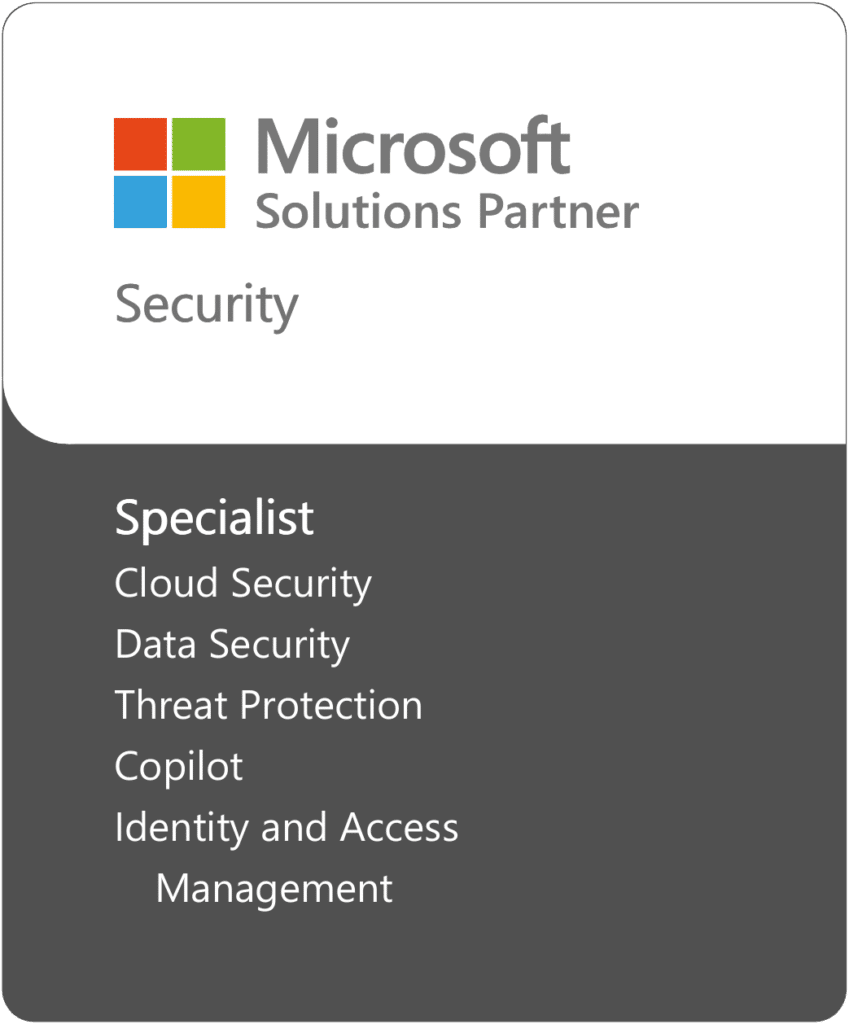
We’ve earned many Microsoft technical certifications. Most recently we received the Microsoft Frontier Partner badge. We’re proud of this because it recognizes us as an IT partner that goes beyond basic AI experiments to deploy real, business-changing AI at scale, combining AI software with human problem-solving. A view of all our Microsoft badges is displayed below.
Certifications are great. It matters to our clients because it proves we continue to upgrade our skills to keep up with market changes.
Our customer stories are proof points on why clients keep coming back to us. If you’re considering changes to your business operations, let’s start with a conversation around the problems you need to solve.
Our success factors
Our proven track record is reflected in the results we deliver for our clients. With our global head office in Singapore and 15 regional offices worldwide, we support teams wherever they operate.

30+ years helping mid-sized and enterprise teams deliver on strategy

30,000+ experts across four continents

Certified capabilities * (ISO, CMMI, Azure Expert MSP), helping you manage risk and compliance

Global delivery model across 15 countries, supporting priority work around the clock
Microsoft Frontier Partner